Islamabad, 17 June 2026: Hon. Syed Naveed Qamar noted that the one-year pilot phase of Retailer Tax Scheme would enable the government to assess the effectiveness of the scheme and address any shortcomings that may emerge during implementation.
He was chairing meeting of the Standing Committee on Finance and Revenue of the National Assembly, today to receive detailed briefings from the Federal Board of Revenue (FBR) on two major tax reform initiatives: the proposed Faceless Assessment and Audit System and the Retailer Tax Scheme.
The Committee was informed that the Faceless Assessment and Audit System is designed to eliminate physical interaction between taxpayers and tax officials, reduce discretionary powers, enhance transparency, and curb opportunities for collusion. Drawing on the experience of the faceless customs model, which reportedly contributed to a significant increase in revenue collection, the new framework seeks to modernize tax administration through digitalization and risk-based compliance management.
The FBR briefed the Committee on the three core components of the system: the National Faceless Audit Wing, the National Assessment and Adjudication Wing, and the Field Operations Wing. The proposed model incorporates artificial intelligence-based risk management tools, randomized case allocation, virtual hearings, quality assurance mechanisms, and enhanced accountability safeguards. The Committee was informed that implementation would be undertaken in phases, beginning in October 2026 and culminating in full integration by October 2027.
Members of the Committee welcomed efforts to modernize tax administration but raised several concerns regarding the proposed system, including the need for a comprehensive cost-benefit analysis, safeguards against algorithmic manipulation and data tampering, technical preparedness of FBR personnel, accountability of faceless officers, and protection of citizens' data and privacy.
Responding to members' queries, the FBR informed the Committee that multiple independent audits had been conducted, including assessments by international firms, and that robust cybersecurity arrangements had been established. The Committee was further informed that the system incorporates self-learning capabilities and multiple layers of quality control and oversight to ensure fairness and transparency.
The Committee also received a detailed briefing on the proposed Retailer Tax Scheme, developed following extensive consultations with trader associations and representatives of the business community. The scheme is intended for retailers with annual sales of up to Rs. 20 crore and proposes a simplified tax mechanism based on turnover. Participants in the scheme would receive various facilitation measures, including exemption from routine audits and certain withholding and point-of-sale requirements.
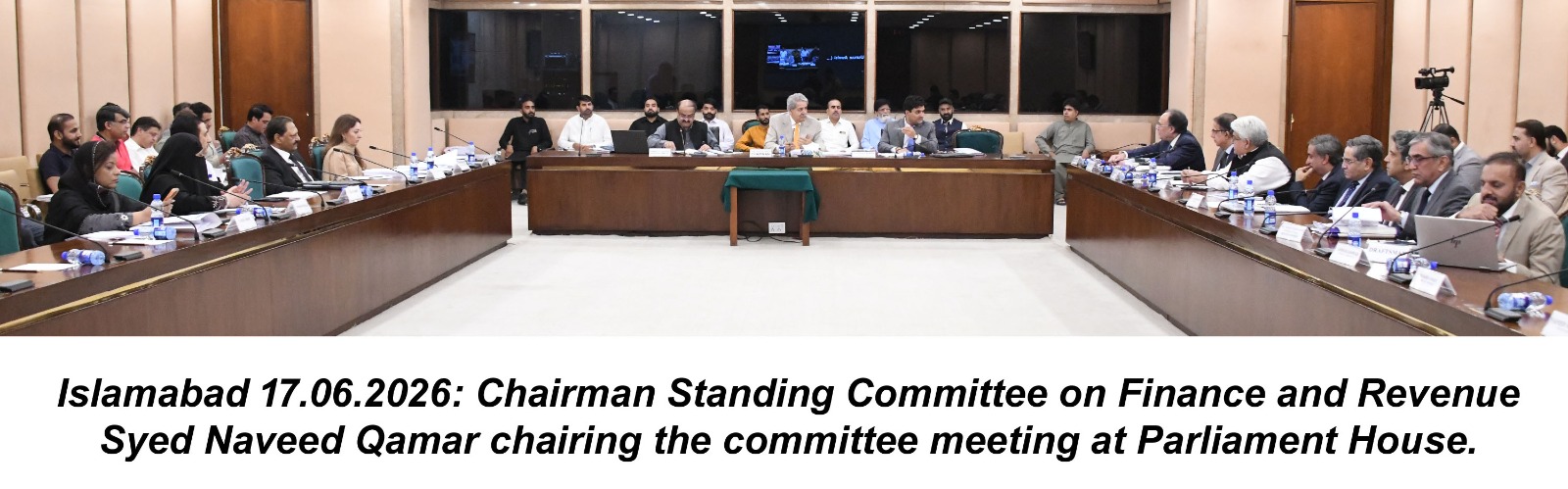
Hon. Members expressed concerns regarding the possibility of under-reporting, potential misuse of the scheme, and the need to ensure fairness for other sectors already contributing to the tax system. The government clarified that the initiative is not an amnesty scheme and is being introduced as a one-year pilot project aimed at encouraging documentation and expanding the tax base.
During the meeting, Chairman Syed Naveed Qamar observed that the faceless assessment initiative appeared to be a carefully planned and well-researched reform effort. He emphasized the importance of independent scrutiny, transparency, accountability, and adequate safeguards to protect taxpayers' rights while improving tax administration.
The Chairman also noted that the one-year pilot phase would enable the government to assess the effectiveness of the scheme and address any shortcomings that may emerge during implementation. Emphasizing the overarching objective of both initiatives, he stated that tax reforms must facilitate compliance while protecting taxpayers and businesses from unnecessary harassment. He stressed that the ultimate success of the reforms would depend on their effective and transparent implementation.
The Committee decided to continue its deliberations on the proposed reforms at its next sitting scheduled for 11:00 a.m. on 18 June 2026.
The Committee also approved the minutes of its previous meeting held on 16th June 2026.
The meeting was attended by Rana Iradat Sharif Khan, Mr. Ali Zahid, Mr. Bilal Farooq Tarar, Mr. Muhammad Usman Awaisi, Ms. Zeb Jaffar, Dr. Nafisa Shah, Ms. Hina Rabbani Khar, Dr. Sharmila Faruqui, Dr. Mirza Ikhtiar Baig, Mr. Muhammad Javed Hanif Khan, Mr. Arshad Abdullah Vohra, and Ms. Shahida Begum, MNAs. The Honourable Minister for Finance, Minister of State for Finance, Secretary Finance,Chairman FBR, DG Tax Policy, and senior officers from the Finance and Revenue divisions also attended the meeting.

 Print
Print